
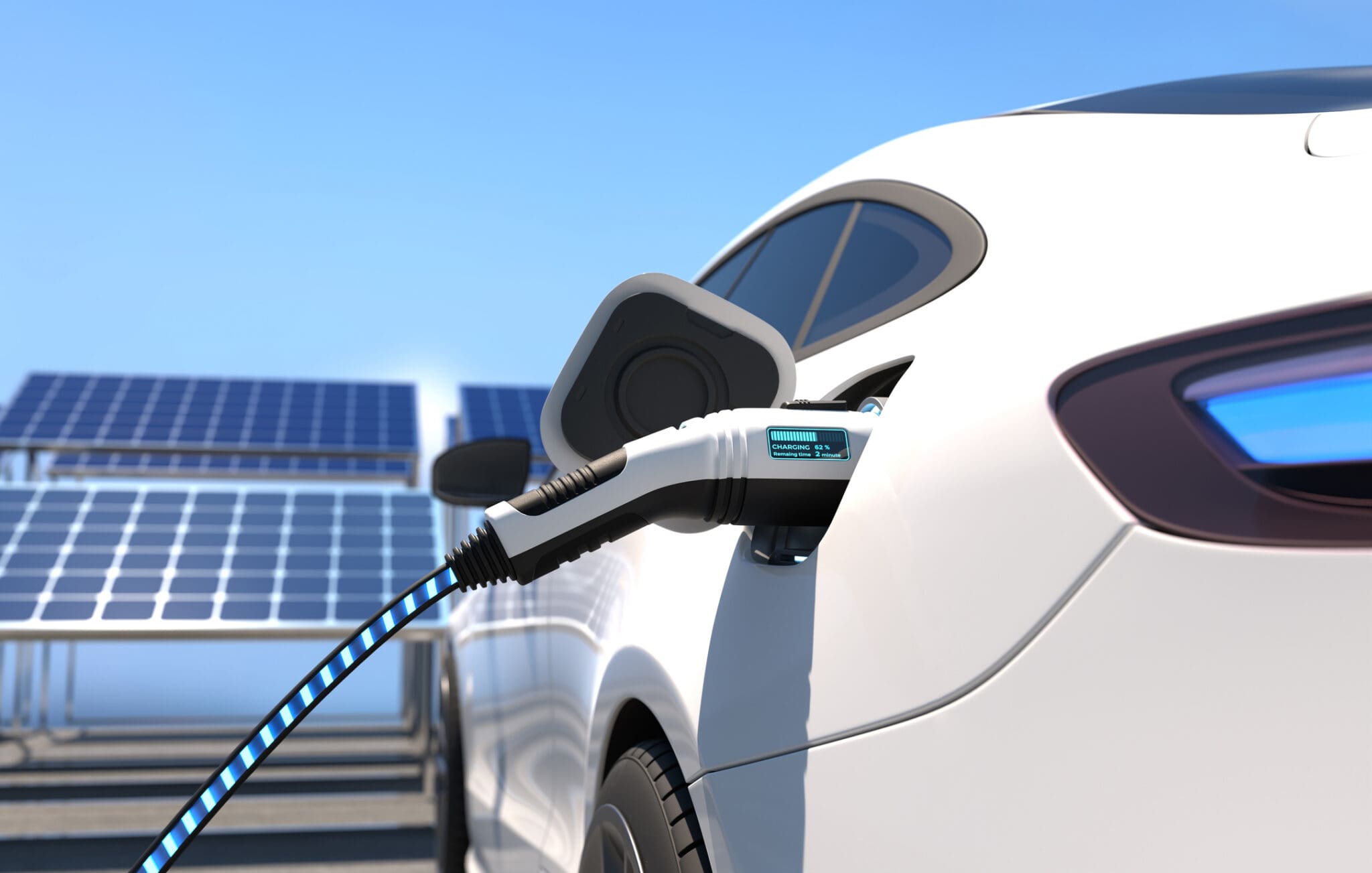
Top Considerations When Designing Solar, Energy Storage, and EV Charging Installations for Commercial Businesses
As businesses increasingly transition to renewable energy solutions, combining solar panels, energy storage systems, and EV charging stations is becoming a strategic choice. These installations not only reduce operational costs but also enhance sustainability credentials and attract eco-conscious customers. However, the design process for such systems is complex and requires careful planning to maximize efficiency, performance, and return on investment (ROI).
Here’s a comprehensive guide to the top considerations when designing solar, energy storage, and EV installations for a commercial business:
1. Understand the Business’s Energy Needs
Before beginning the design process, it’s essential to conduct a detailed energy analysis to understand the business’s consumption patterns.
- Energy Load Profile:
- Analyze peak demand times and total energy usage.
- Identify how much energy is needed during the day, at night, or during grid outages.
- Future Growth:
- Consider potential increases in energy use due to business expansion, new equipment, or added EV fleets.
- Power Quality Requirements:
- Some businesses, such as data centers or manufacturing facilities, require stable power quality, making energy storage crucial.
2. Evaluate the Site Conditions
The physical characteristics of the site significantly impact the design and feasibility of the system.
- Available Space:
- Assess the available rooftop, parking lot, or ground area for solar panels and EV chargers.
- Determine whether solar carports or ground-mounted arrays are a better option if roof space is limited.
- Orientation and Shading:
- Ensure optimal panel orientation and tilt for maximum solar production.
- Identify shading obstacles, such as trees or nearby buildings, using tools like shade analysis.
- Structural Integrity:
- Verify that the roof or installation site can support the weight and design of the solar panels and mounting systems.
3. Choose the Right Equipment
Solar Panels:
- Efficiency and Performance:
- Select high-efficiency panels to maximize energy output, especially in areas with limited space.
- Durability:
- Ensure panels are designed to withstand local weather conditions (e.g., wind, snow, or hail).
Energy Storage Systems:
- Battery Size:
- Determine the appropriate storage capacity based on energy needs during outages or peak rate periods.
- Chemistry:
- Choose between lithium-ion (most common), flow batteries (longer lifespan), or other options based on budget and application.
- Scalability:
- Ensure the system can be expanded in the future as energy needs grow.
EV Chargers:
- Charger Types:
- Decide between Level 2 chargers (ideal for workplaces and public spaces) or DC fast chargers (suitable for high-traffic areas).
- Connector Compatibility:
- Ensure chargers are compatible with common EV models to attract a wider audience.
4. Maximize Incentives and Rebates
Federal, state, and local incentives can significantly reduce the upfront costs of these installations.
- Federal Solar Investment Tax Credit (ITC):
- Currently offers a 30% tax credit for solar and energy storage systems.
- State-Specific Programs:
- Research rebates and grants for solar, energy storage, and EV charging in your area. For example:
- California: Self-Generation Incentive Program (SGIP) for storage and CALeVIP for EV chargers.
- Massachusetts: SMART Program for solar-plus-storage.
- Research rebates and grants for solar, energy storage, and EV charging in your area. For example:
- Utility Incentives:
- Many utilities offer rebates for demand reduction programs and grid-tied battery systems.
5. Integrate Systems for Maximum ROI
Designing solar, energy storage, and EV charging systems as an integrated solution ensures maximum financial and operational benefits.
- Solar-Plus-Storage Integration:
- Use storage to capture excess solar energy for use during peak hours or outages, reducing demand charges.
- EV Charger Optimization:
- Pair EV chargers with solar and storage to reduce reliance on the grid during peak demand times.
- Energy Management Software:
- Implement software to monitor and control energy flow between solar panels, batteries, and EV chargers.
6. Consider Grid Interconnection Requirements
Connecting to the local grid can involve complex regulations and technical requirements.
- Net Metering:
- Check if your state offers net metering to allow excess energy to be sold back to the grid.
- Interconnection Process:
- Work with utilities to ensure compliance with grid standards and timelines.
- Demand Response Programs:
- Integrate storage to participate in utility programs, earning revenue by reducing load during grid peak times.
7. Design for Resilience and Reliability
For businesses in areas prone to outages, resilience is a critical factor.
- Backup Power Needs:
- Size the energy storage system to support critical loads during outages.
- Redundancy:
- Incorporate multiple power sources (e.g., solar, storage, and grid) to ensure uninterrupted operations.
- Weather and Disaster Preparedness:
- Design systems to withstand extreme weather, especially in hurricane- or wildfire-prone areas.
8. Plan for EV Charger Placement and Usage
Strategic placement of EV chargers enhances user convenience and maximizes revenue opportunities.
- Location Accessibility:
- Install chargers in visible, accessible areas to attract EV drivers.
- Usage Patterns:
- Analyze traffic and parking patterns to determine the ideal number and type of chargers.
- Revenue Generation:
- Offer pay-per-use charging or memberships for employees and customers.
9. Understand Financial Models
Consider financing options to reduce upfront costs and improve ROI.
- Power Purchase Agreements (PPAs):
- Businesses can avoid upfront costs by entering into agreements where a third party owns and operates the system.
- Leasing:
- Allows businesses to benefit from renewable energy without the full capital expense.
- Direct Purchase:
- Offers the highest long-term savings but requires higher upfront investment.
10. Monitor and Maintain the System
Regular monitoring and maintenance ensure long-term system performance and cost savings.
- Remote Monitoring:
- Use energy management platforms to track system performance and identify issues in real time.
- Scheduled Maintenance:
- Perform routine checks on solar panels, batteries, and EV chargers to ensure optimal functionality.
- Warranty Coverage:
- Select components with strong warranties to minimize future costs.
Conclusion
Designing a solar, energy storage, and EV charging installation for a commercial business requires thoughtful planning and expert guidance. By considering energy needs, site conditions, equipment options, and financial incentives, businesses can create a system that delivers long-term savings, resilience, and sustainability.
Ready to Design the Perfect Renewable Energy System?
Our experienced team specializes in designing integrated renewable energy solutions tailored to your business’s needs. Contact us today to maximize your ROI and take your first step toward energy independence.