
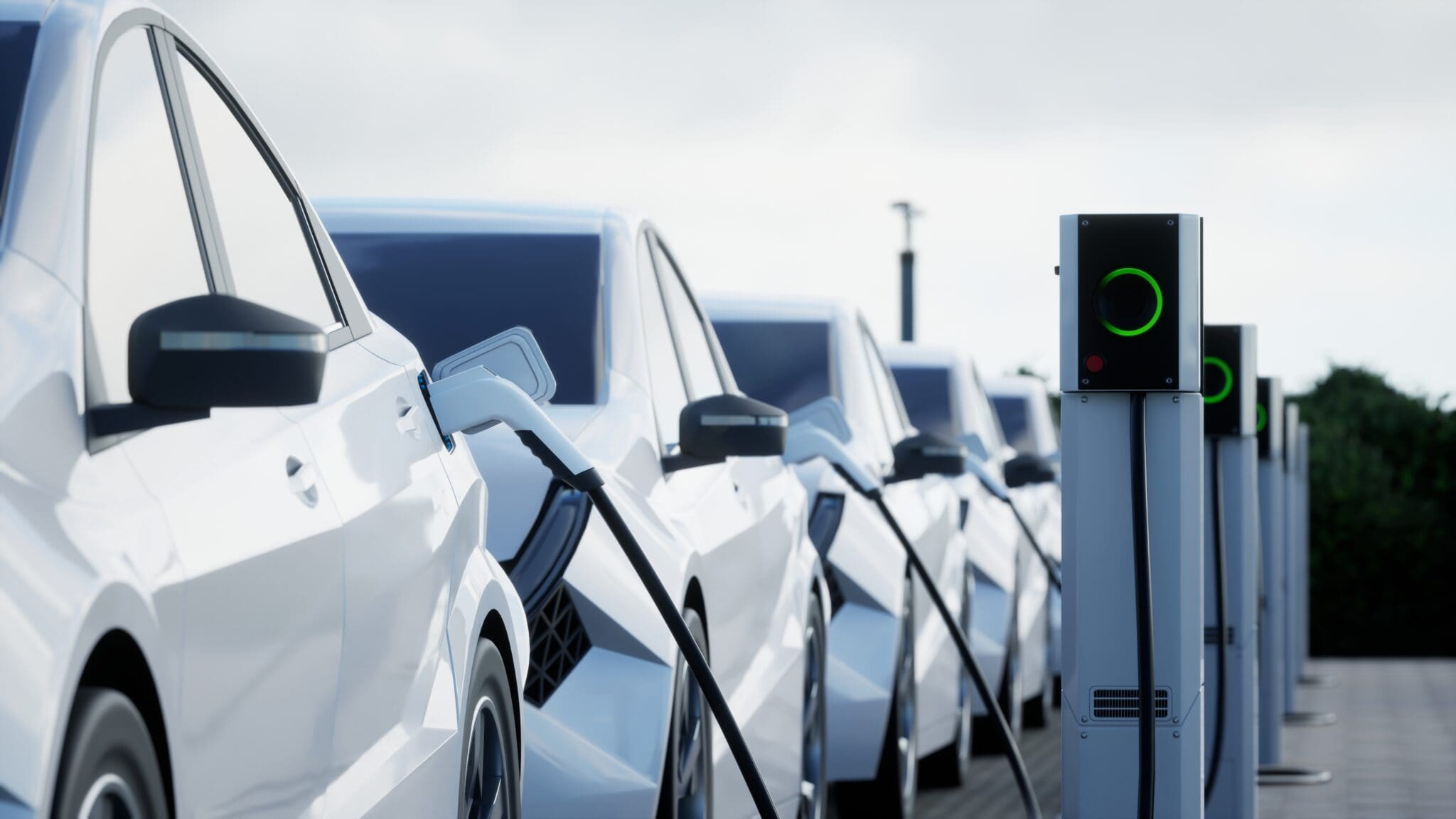
The Future of EVs and What’s New with Batteries
Electric vehicles (EVs) are driving the future of transportation, with advancements in battery technology at the heart of this revolution. Innovations in battery chemistry, capacity, and charging are making EVs more efficient, affordable, and accessible.
Key Trends in EV Batteries
- Solid-State Batteries:
- Replace liquid electrolytes with solid materials, offering higher energy density, faster charging, and improved safety.
- Toyota and QuantumScape are leading development efforts.
- LFP (Lithium Iron Phosphate) Batteries:
- Gaining popularity due to their affordability, longevity, and safety.
- Tesla and BYD are using LFP chemistry in their lower-cost EVs.
- Recycling and Second-Life Batteries:
- Companies like Redwood Materials are creating closed-loop systems to recycle battery materials, reducing environmental impact.
- Ultrafast Charging:
- Companies like StoreDot and CATL are developing batteries capable of recharging in under 10 minutes, transforming EV convenience.
Blog 2: What Car Companies Will Have the Cheapest EVs?
The race to create affordable EVs is heating up as manufacturers aim to make electric cars accessible to the masses. Here are some automakers leading the charge:
- Tesla:
- Announced plans for a $25,000 EV, leveraging economies of scale and LFP batteries.
- BYD:
- Known for affordable EVs like the Dolphin and Yuan Plus, with prices starting under $30,000.
- Nissan:
- The Leaf remains one of the most affordable EVs, with models starting around $28,000.
- Chevrolet:
- The Bolt EV is priced competitively at around $26,000 after incentives, making it one of the most affordable options in the U.S.
Blog 3: What EVs Have the Longest Range?
Range anxiety is becoming a thing of the past as EV manufacturers push the boundaries of battery performance. Here are the EVs with the longest ranges in 2024:
- Lucid Air Dream Edition:
- 516 miles per charge, thanks to innovative aerodynamics and a high-capacity battery.
- Tesla Model S Long Range:
- Up to 405 miles, maintaining Tesla’s position as a range leader.
- Mercedes-Benz EQS:
- Up to 350 miles, combining luxury with practicality.
- Rivian R1T and R1S:
- Over 300 miles for electric adventure vehicles.
Blog 4: What EV Charging Companies Are Growing the Fastest?
As EV adoption accelerates, charging infrastructure is expanding rapidly. These companies are leading the charge:
- Tesla Supercharger Network:
- Continues to dominate with a vast, proprietary network of fast chargers, now opening to other EV brands.
- ChargePoint:
- Growing in North America and Europe, offering both home and public charging solutions.
- Electrify America:
- Backed by Volkswagen, expanding quickly in the U.S. with ultra-fast DC charging stations.
- EVgo:
- Focused on urban areas and partnerships with automakers to build a robust charging ecosystem.
Blog 5: What’s the Best EV Battery Chemistry That’s the Safest?
Safety is paramount when it comes to EV batteries, and the choice of battery chemistry plays a significant role.
Top Safe Battery Chemistries:
- LFP (Lithium Iron Phosphate):
- Non-combustible and stable at high temperatures.
- Widely used in lower-cost EVs like Tesla’s standard-range models and BYD vehicles.
- Solid-State Batteries:
- No liquid electrolyte, reducing the risk of thermal runaway or fire.
- Expected to dominate the next generation of EVs.
- Nickel-Manganese-Cobalt (NMC):
- While offering high energy density, safety enhancements like thermal management systems are critical to mitigate risks.