
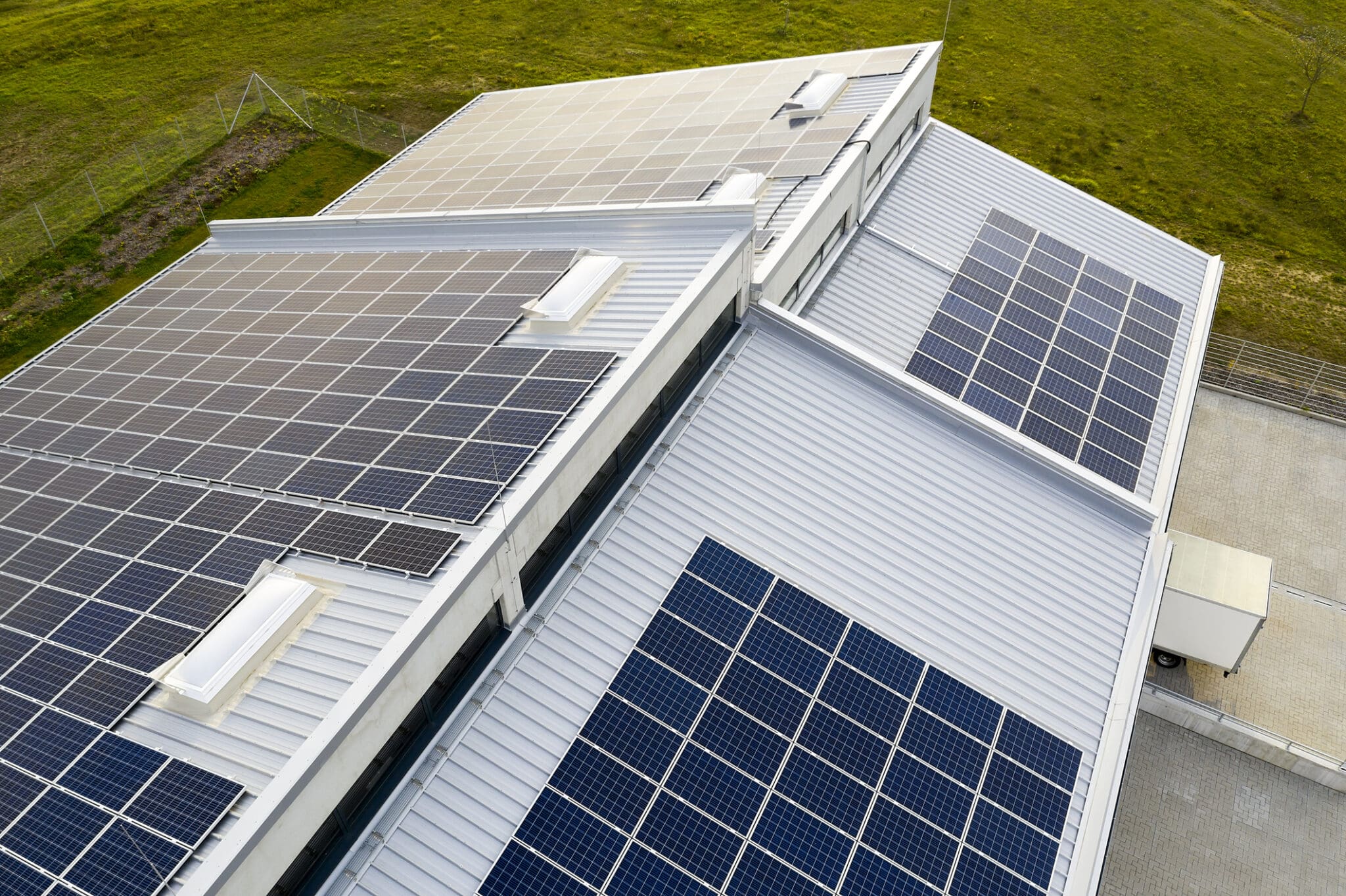
The Best Ways to Reduce Utility Bills for Large Commercial Customers in the Top Renewable Energy Markets
Utility bills can be a significant operating expense for large commercial customers. Fortunately, by leveraging renewable energy technologies such as solar panels, energy storage systems, and energy-efficient upgrades, businesses can significantly reduce their costs. Many top renewable energy markets also offer robust incentives, rebates, and demand management programs that further enhance savings. Here’s a deep dive into strategies and specific utility programs in leading markets to help large commercial customers optimize energy usage and cut expenses.
1. California (PG&E, SCE, SDG&E)
Key Utilities:
- Pacific Gas & Electric (PG&E)
- Southern California Edison (SCE)
- San Diego Gas & Electric (SDG&E)
Strategies to Save:
- Solar and Energy Storage Integration: California’s high electricity rates and time-of-use (TOU) pricing make solar-plus-storage systems a must for businesses. Energy storage reduces demand charges by discharging during peak hours.
- Demand Response Programs: PG&E and SCE offer programs where businesses are compensated for reducing energy use during peak demand times.
- Energy Efficiency Upgrades: SDG&E provides rebates for lighting, HVAC, and refrigeration improvements.
Key Incentives:
- Self-Generation Incentive Program (SGIP):
- Offers rebates for battery storage systems, up to $850 per kWh. Critical facilities (e.g., hospitals) are eligible for higher incentives.
- Net Energy Metering (NEM 3.0):
- Allows businesses to export excess solar energy back to the grid for bill credits.
Example:
A warehouse with a solar-plus-storage system can reduce demand charges by using stored energy during peak TOU periods, while SGIP rebates can cover a significant portion of the battery cost.
2. Texas (Oncor, CenterPoint Energy)
Key Utilities:
- Oncor Electric Delivery
- CenterPoint Energy
Strategies to Save:
- Solar Rebates: Oncor and CenterPoint offer localized rebates for installing solar systems, helping businesses offset upfront costs.
- Demand Response Programs: Businesses can participate in Oncor’s Load Management Program or CenterPoint’s similar initiatives, earning money for reducing energy use during peak times.
- Energy Efficiency Incentives: CenterPoint provides rebates for energy-efficient equipment upgrades like HVAC, lighting, and building retrofits.
Key Incentives:
- Oncor Solar Incentive Program:
- Provides rebates based on system size, reducing capital investment for solar projects.
- CenterPoint Energy Efficiency Programs:
- Rebates for high-efficiency lighting, cooling systems, and insulation upgrades.
Example:
A retail chain in Texas could combine solar installation rebates with participation in Oncor’s Load Management Program to lower both installation costs and ongoing energy bills.
3. Florida (FPL, Duke Energy Florida)
Key Utilities:
- Florida Power & Light (FPL)
- Duke Energy Florida
Strategies to Save:
- Install Solar Systems: Florida’s abundant sunlight makes solar installations a smart choice, especially when paired with incentives from FPL and Duke Energy.
- Time-of-Use Plans: Shift energy-intensive activities to off-peak hours to reduce costs under FPL’s TOU pricing.
- Efficiency Rebates: Duke Energy’s Business Energy Saver Program offers rebates for lighting, HVAC, and refrigeration upgrades.
Key Incentives:
- FPL SolarNow Program:
- Provides funding for renewable energy projects.
- Duke Energy Business Energy Saver:
- Rebates for installing energy-efficient equipment.
Example:
A hotel in Florida can install solar panels, access FPL’s SolarNow Program funding, and reduce cooling costs by upgrading HVAC systems with Duke Energy rebates.
4. North Carolina (Duke Energy Carolinas, Dominion Energy)
Key Utilities:
- Duke Energy Carolinas
- Dominion Energy
Strategies to Save:
- Solar Rebates: Duke Energy’s Solar Rebate Program offers substantial savings for installing solar systems, making it a top strategy for businesses.
- Demand Management: Enroll in Duke Energy’s Demand Response Automation program to receive financial incentives for reducing energy use during peak periods.
- Energy Audits and Retrofits: Dominion Energy’s Commercial Energy Solutions Program identifies energy-saving opportunities and provides rebates for implementation.
Key Incentives:
- Duke Energy Solar Rebate Program:
- Offers up to $50,000 for commercial solar installations.
- Dominion Energy Commercial Energy Solutions:
- Rebates for energy-efficient retrofits, including lighting and insulation.
Example:
A university campus can pair solar rebates with demand response earnings to minimize both energy costs and carbon emissions.
5. New York (Con Edison, National Grid)
Key Utilities:
- Consolidated Edison (Con Edison)
- National Grid
Strategies to Save:
- Energy Storage Solutions: Storage systems help businesses manage peak demand charges, which are among the highest in the country.
- Demand Response Participation: Con Edison’s Demand Management Program offers payments for reducing load during peak times.
- Renewable Energy Adoption: Leverage NYSERDA’s incentives for commercial solar and energy storage projects.
Key Incentives:
- NYSERDA Commercial Incentives:
- Rebates for solar and battery storage installations.
- Con Edison Demand Response:
- Financial rewards for peak load reduction.
Example:
A manufacturing facility in New York can install a solar-plus-storage system using NYSERDA rebates and participate in Con Edison’s demand response programs for ongoing savings.
6. Arizona (APS, SRP)
Key Utilities:
- Arizona Public Service (APS)
- Salt River Project (SRP)
Strategies to Save:
- Solar and Battery Incentives: Pair solar installations with APS’s Battery Incentive Program to offset peak demand charges.
- Efficiency Upgrades: SRP’s Business Solutions Program provides rebates for retrofitting lighting, HVAC, and other energy-intensive systems.
- Demand Response: APS’s Peak Solutions program rewards businesses for reducing energy use during peak hours.
Key Incentives:
- APS Battery Incentive Program:
- Rebates of up to $500 per kW for battery systems.
- SRP Business Solutions Rebates:
- Covers costs for energy-efficient upgrades.
Example:
A logistics center in Arizona can use APS incentives to install a solar-plus-storage system and offset grid reliance during peak hours.
7. Nevada (NV Energy)
Key Utility:
- NV Energy
Strategies to Save:
- Solar Net Metering: Businesses can offset utility bills by exporting excess solar energy back to the grid under NV Energy’s net metering policies.
- Energy Storage Rebates: NV Energy provides significant rebates for battery storage systems, helping businesses reduce peak demand charges.
- Energy Efficiency Programs: Use NV Energy’s Business Energy Services for lighting, HVAC, and refrigeration retrofits.
Key Incentives:
- NV Energy Storage Incentives:
- Rebates of up to $3,000 per system.
- NV Energy Solar Incentives:
- Support for solar installations, particularly for large commercial customers.
Example:
A casino in Nevada can install a solar-plus-storage system to offset high energy costs and utilize storage rebates to lower upfront investment.
Conclusion
Large commercial customers in renewable energy markets like California, Texas, and New York have access to robust utility programs and incentives to significantly reduce utility bills. Strategies like installing solar-plus-storage systems, participating in demand response programs, and upgrading to energy-efficient equipment can drastically lower costs while supporting sustainability goals.
Ready to start saving? Contact us to learn how we can help you navigate incentives, design optimal energy systems, and maximize your utility bill savings.